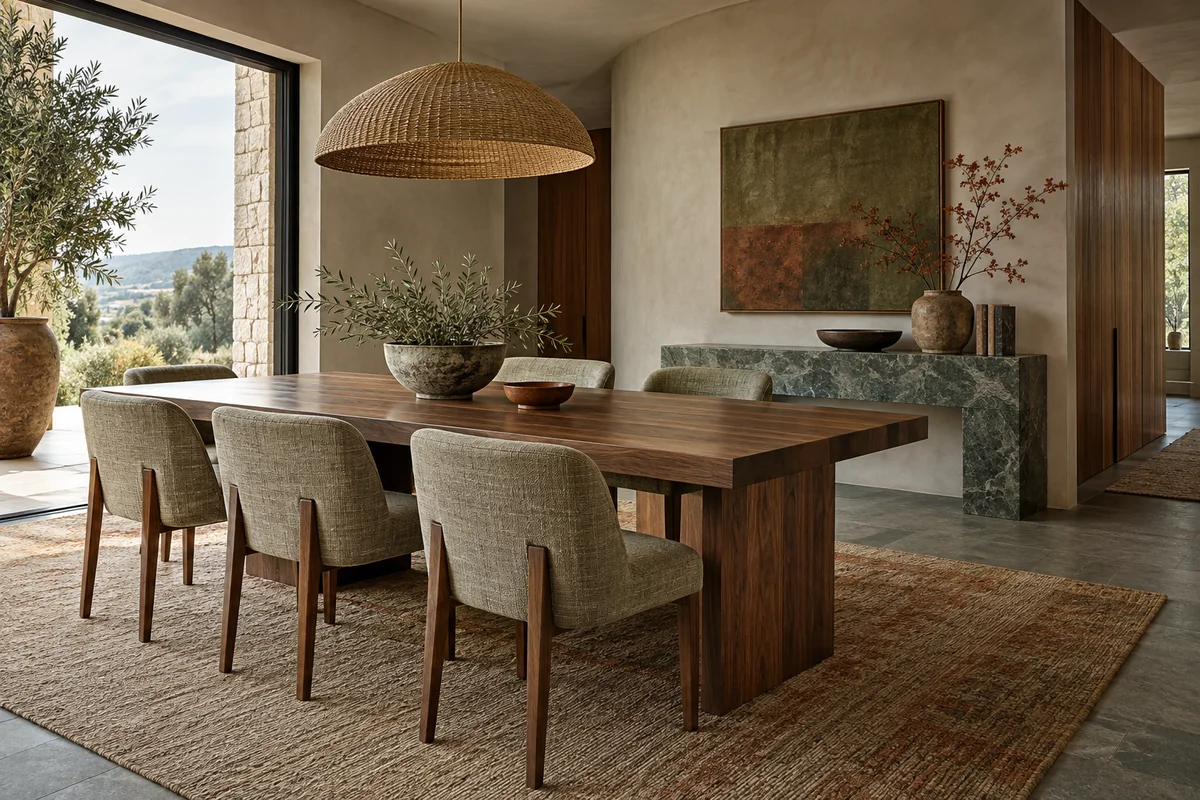
The promise that a sofa, color, or style will never go out of fashion is difficult to keep. Rooms change because people, habits, buildings, and tastes change. The most useful timeless home decor ideas are therefore less about predicting permanent popularity and more about choosing things that remain adaptable, comfortable, and worth keeping.
An older table can work in a contemporary room, and a new chair can feel settled beside inherited furniture. What makes the relationship convincing is usually proportion, function, material, and personal relevance. Start with those qualities before deciding whether an object belongs to a supposedly timeless category.
Timeless is a decision method, not a fixed look
A room can use traditional, modern, colorful, or restrained elements and still be adaptable. The important question is whether its major choices can support changes around them. A useful table with a clear shape may work with several chair types; a highly coordinated set may be harder to divide when the room changes.
Distinguish long-term usefulness from visual familiarity. Something can look classic yet be uncomfortable or difficult to maintain. Another piece may be visually distinctive but remain valuable because it serves an activity particularly well. The label cannot replace an assessment of the object and the household.
There is also no need to remove every sign of a particular period. A home can contain objects from different stages of life without looking confused. Give the strongest pieces clear roles, then use quieter surroundings or repeated materials to connect them. Continuity does not require pretending everything arrived at the same time.
Give proportion priority over a fashionable silhouette
Measure the furniture in relation to the room and its other pieces. A sofa's depth, arm width, seat height, and total footprint matter more than a trend label. A chair that blocks a cabinet will remain inconvenient even if its outline is widely described as classic.
Look at scale from more than one viewpoint. A substantial cabinet may balance a large sofa, while a very delicate side table can look stranded beside it. You do not need matching visual weights everywhere, but you should understand which pieces anchor the composition and which support it.
Test whether the item could move to another reasonable location. A table that works only in one narrow gap may still be the right purchase, but recognize the limitation. For major pieces, some flexibility can make future rearrangements easier and reduce the pressure to replace furniture after a move.
Choose materials with an honest maintenance plan
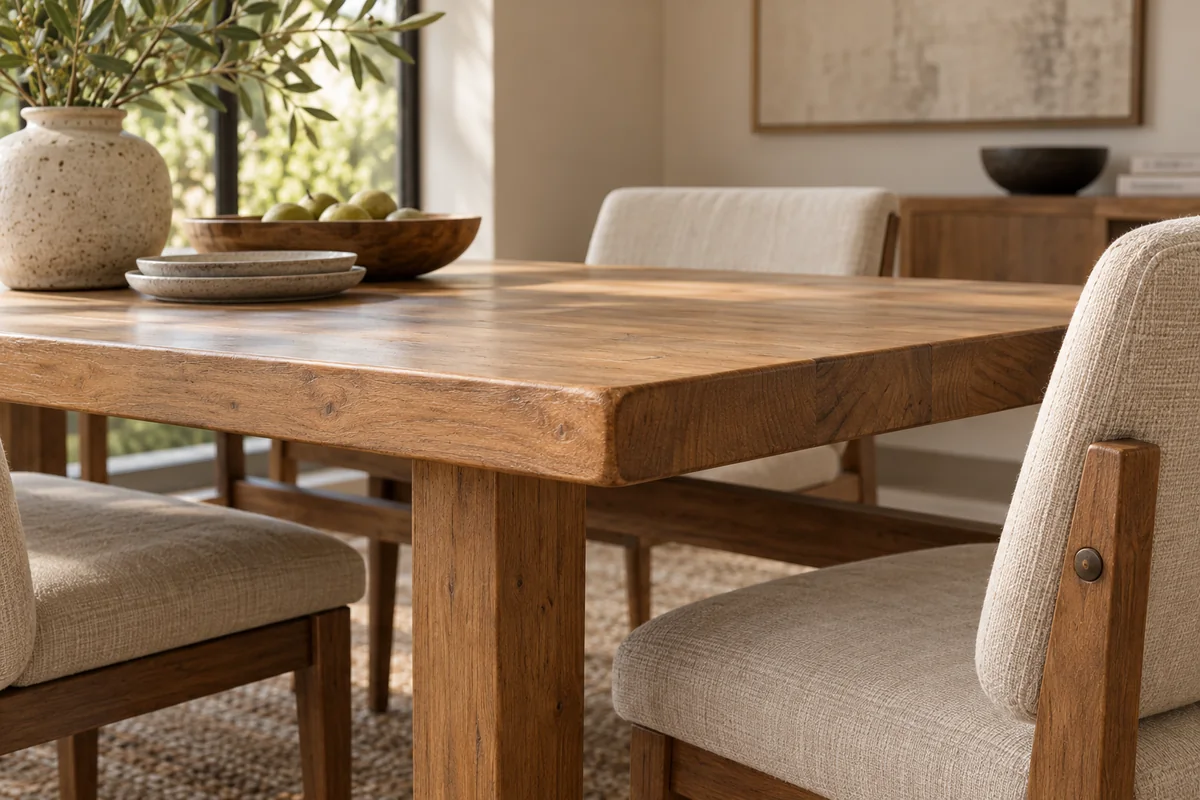
Durability is not established by appearance alone. Ask how the exact product is cleaned, what its finish tolerates, whether covers or components are replaceable, and what repairs are realistic. A material you love may be worth caring for, but the maintenance should fit your habits rather than an idealized version of them.
Natural materials can provide attractive variation, yet they are not automatically the best choice everywhere. A heavily used family table, a sunny room, and an occasional display shelf impose different demands. Our modern organic material guide separates visual appeal from practical surface decisions.
Look at construction information as well as promotional language. Clear product specifications, care instructions, and repair options are more useful than a broad claim that something is an investment piece. A lower-cost item can remain useful for years if it suits the activity and is appropriately maintained.
Let the larger pieces support changing smaller layers
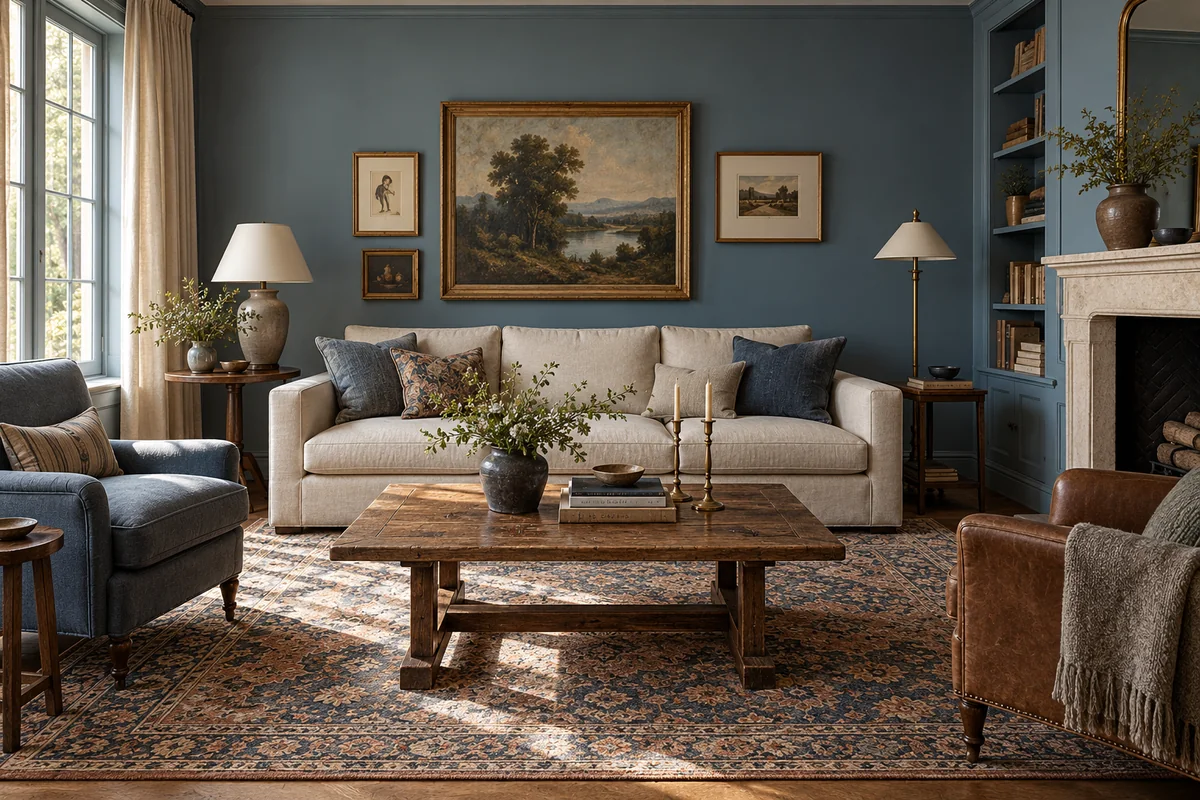
A major upholstery choice can provide a relatively steady base while textiles and artwork evolve. Steady does not necessarily mean pale beige. A dark blue sofa, patterned rug, or warm timber cabinet can remain adaptable if its scale and surrounding relationships are well considered.
Choose a color you enjoy enough to live with, then compare how it works with several supporting materials. Physical samples and actual room light matter. A versatile color is one that relates to your belongings and building, not a shade declared universally neutral on a screen.
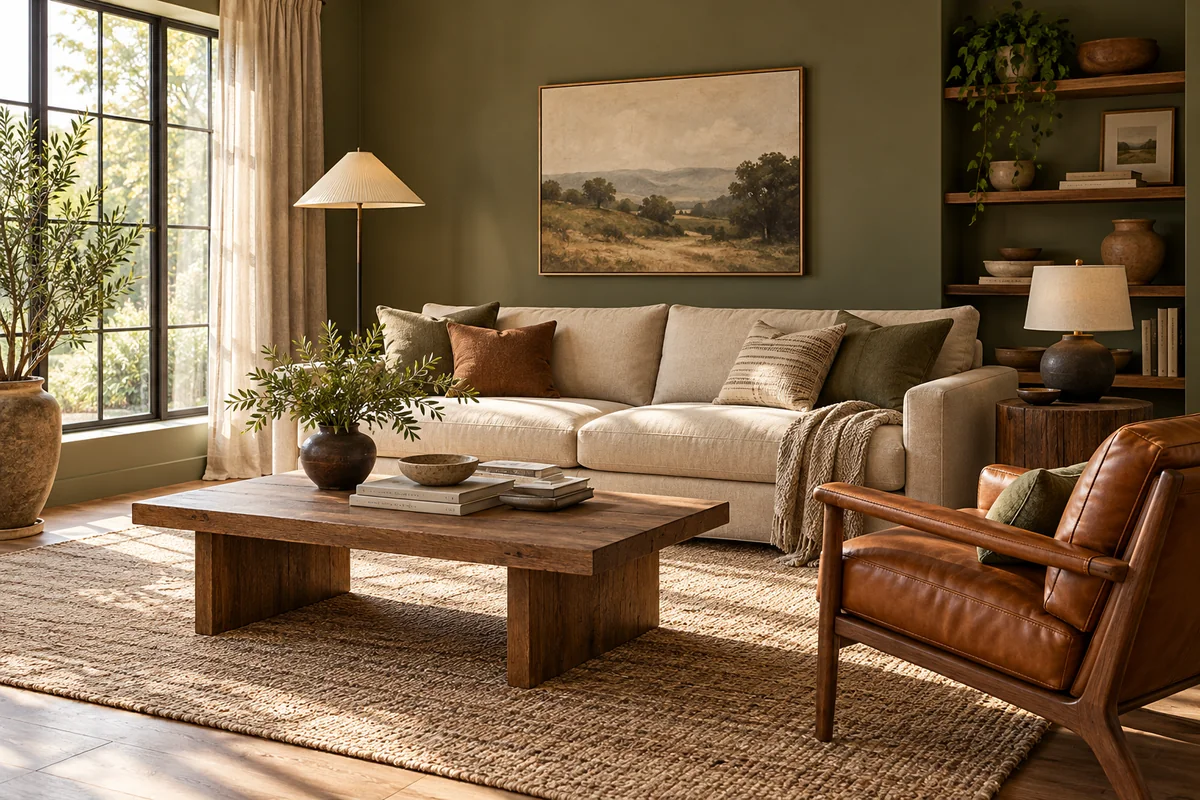
If your existing sofa is beige, our twelve beige sofa color combinations show how different accents can change the room's character. The useful principle is that a well-suited larger piece can remain while smaller elements adapt. You need not replace the base whenever you want a different atmosphere.
Avoid making every surface part of one coordinated set
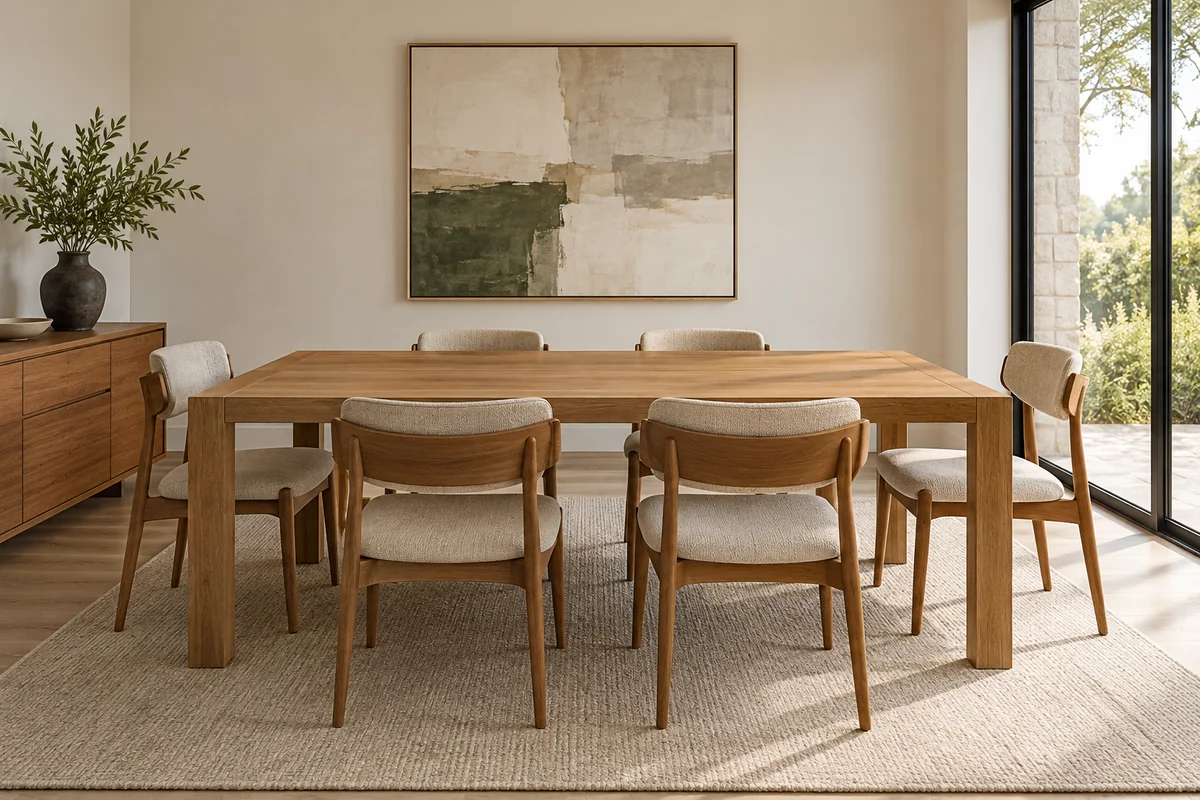
Matching furniture can be practical, but inspect whether the pieces are useful individually. A package may include a table or cabinet that has no appropriate position. Evaluate the whole footprint and each function rather than assuming a complete set is automatically better value or more coherent.
Variation can make a room easier to evolve. A different timber finish, an inherited object, or a contrasting chair can break the dependence on one exact product range. Keep a material or color connection where it helps, without requiring every future purchase to match something no longer available.
Keep personal objects in the composition
An artwork, photograph, book collection, or inherited object can give a room continuity that a generic style cannot provide. Select what you want to notice and give it enough space. Personal importance does not require displaying every meaningful possession simultaneously.
Change the arrangement as your interests change. Rotating a small group of objects can be more satisfying than adding another shelf to hold everything. Store remaining items appropriately and keep the process manageable; an elaborate rotation system can become another household task rather than a pleasure.
Do not force objects into a uniform palette if that removes their character. A bright artwork can belong in a quiet room when its scale and surroundings are clear. The room should support the things that matter to you, not require them to disappear so the styling remains consistent.
Use classic references without copying a complete room
Symmetry, familiar proportions, traditional patterns, and straightforward furniture forms can offer useful reference points. Borrow the particular relationship you like rather than reproducing every detail. A room inspired by an older interior still needs to support contemporary equipment, access, and household routines.
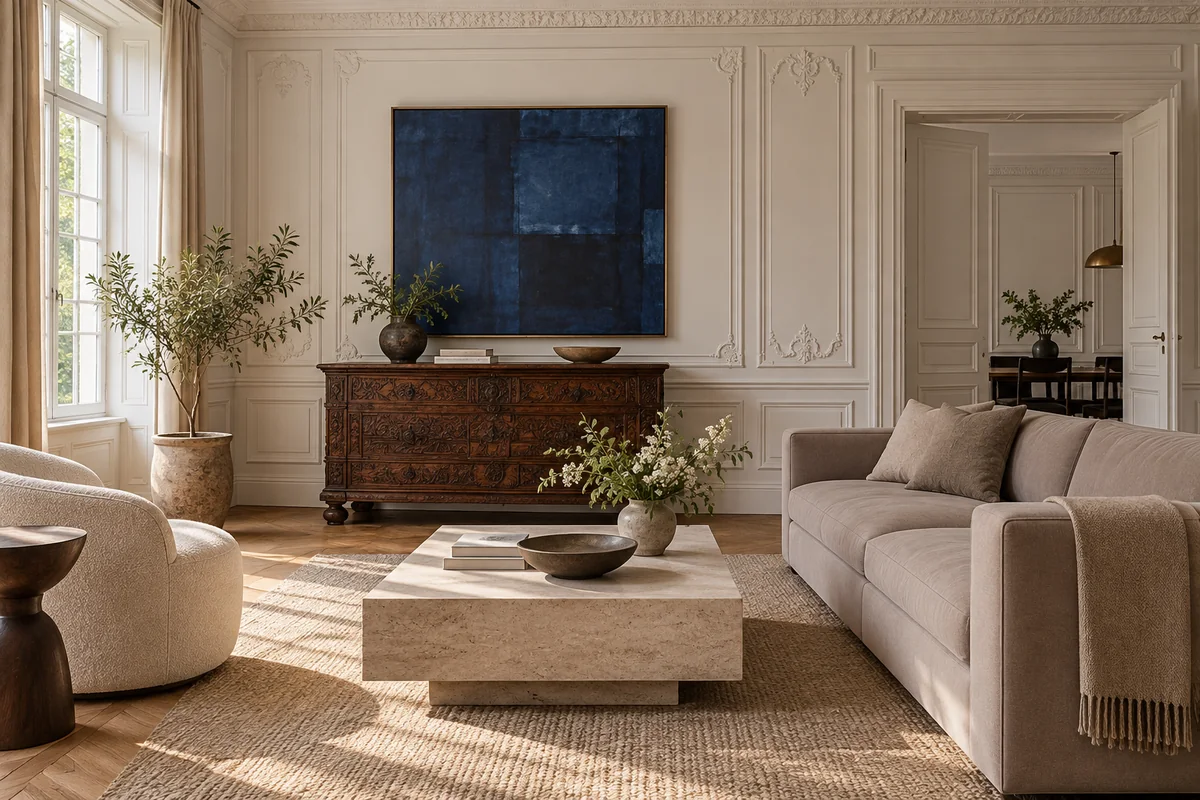
Mixing periods can work when each piece has a clear role. A traditional chest may provide useful storage and visual weight beneath contemporary art. A modern sofa can sit comfortably against detailed architecture. Our transitional interior design guide explains how shared scale and materials can connect those differences.
Avoid buying artificial signs of age solely to make a room appear established. Real wear, reproduction detail, and damage are different things. Choose the finish because you enjoy it and can maintain it, not because a staged photograph suggests that every home needs patina in the same places.
Leave room for changing routines
Furniture should respond to activities that may evolve. A living area might later need a desk, a different reading seat, or space for another household member. You cannot predict everything, but separate pieces and understandable storage categories often allow more rearrangement than a tightly fixed collection.
Think about service and replacement as part of the design. Can you access existing outlets, move furniture for cleaning, or replace a worn component without dismantling the room? A visually seamless arrangement can be inconvenient if ordinary maintenance requires removing several large items.
Keep useful empty space. Not every corner needs a decorative purchase, and not every shelf needs filling. That capacity helps the room absorb a new activity or possession without immediately becoming crowded. Empty space is not proof that decorating is incomplete.
Recognize when a trend is a useful small experiment
Enjoying a current color or shape is not a failure of long-term taste. The question is how much commitment the experiment requires. A cushion cover or small artwork is easier to reconsider than a fitted surface or a large piece chosen only because it is newly popular.
Before a trend-led purchase, ask what attracts you: the color, material, comfort, or sense of novelty. Then look for a version that serves an actual purpose. If the appeal disappears when the style name is removed, waiting may be the most useful decision.
Do not replace a working object solely because a newer style is described as more timeless. That creates the same cycle under a different label. Keep items that function and matter to you, adjusting their setting when the room needs a change.
A practical test for the next large purchase
Consider the piece without its staged surroundings. Does its size work in the actual room? Is the seat comfortable or the storage accessible? Are the care requirements realistic? Could a different lamp, textile, or artwork work beside it later? Specific answers provide more confidence than a promise about enduring fashion.
Account for delivery, installation, and any necessary fixing or restraint as part of the decision. A piece that cannot enter the property or be used appropriately has no practical longevity there. Read the exact specifications rather than relying on the name of a standard furniture size.
The most enduring room is rarely frozen in one perfect arrangement. It contains useful pieces, personal connections, and enough flexibility to change. Choose what deserves a place in your life, let its surroundings evolve, and treat timelessness as the ability to keep making the room work.
Images are AI-generated design illustrations, not photographs of documented projects. Conceptual layout illustrations are not measured plans.
About editorial attribution ↗